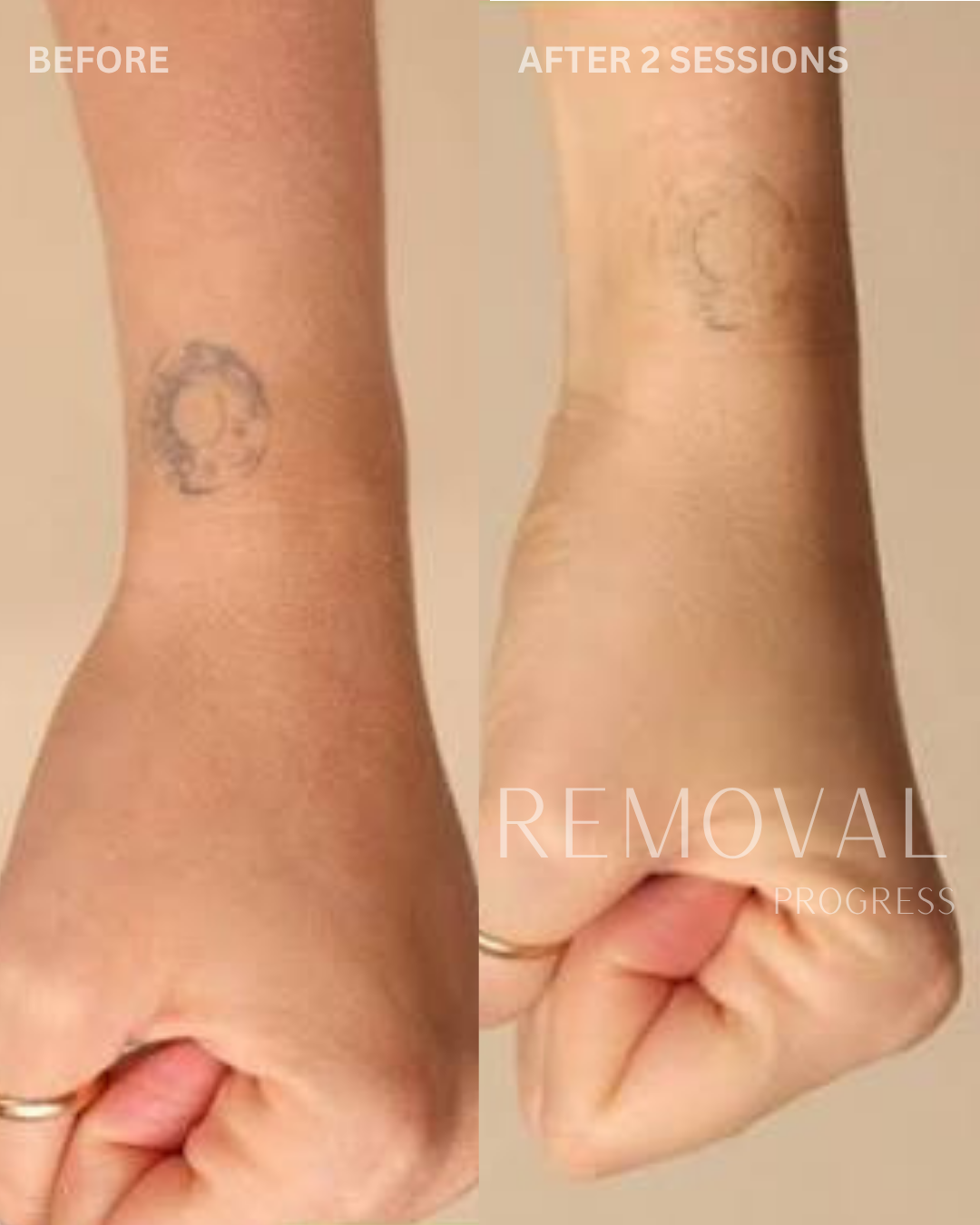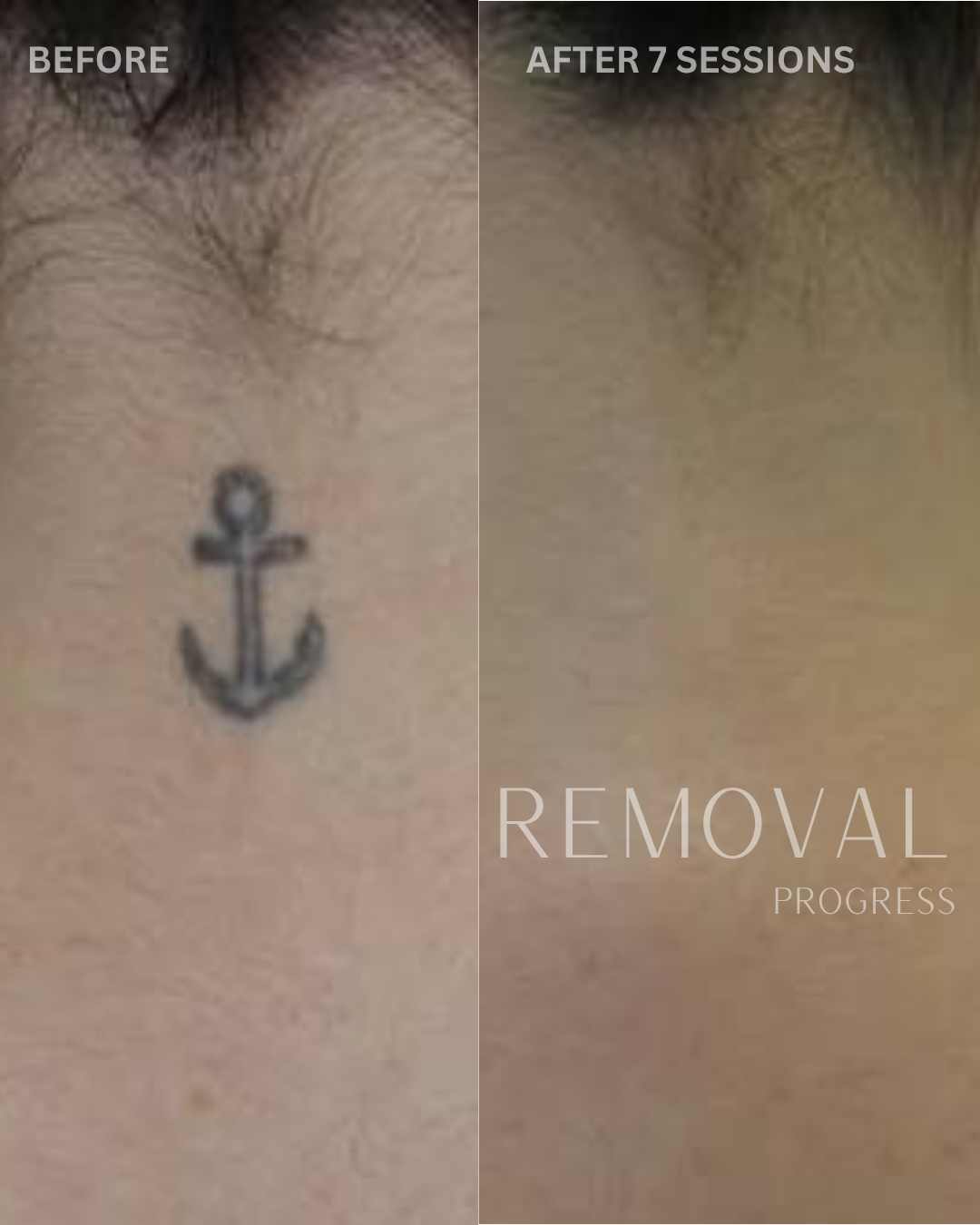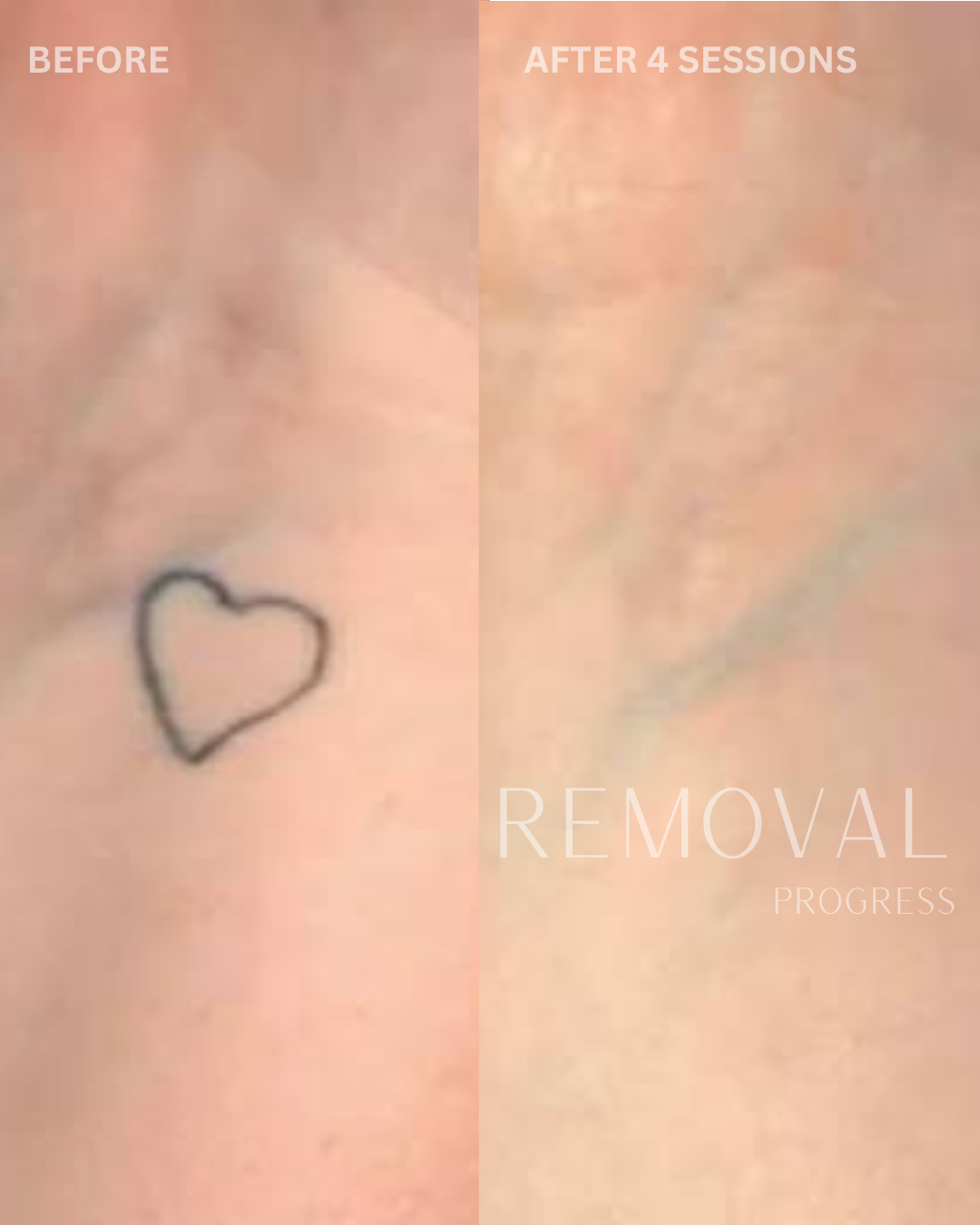
PMU & TATTOO REMOVAL
Advanced laser removal treatments tailored to your skin, pigment and long-term goals. We specialise in permanent makeup lightening, tattoo removal and correction work, including removal and re-do treatment plans for brows and cosmetic tattooing.
Using Q-Switched Nd:YAG Laser technology by Zemits, treatments are designed to safely target unwanted pigment while prioritising skin integrity and natural healed results.
Whether you are looking for complete removal, pigment correction or preparing for fresh permanent makeup, every treatment plan is individually tailored during consultation. In selected cases, combined removal approaches, including Saline Removal, may also be recommended where appropriate.
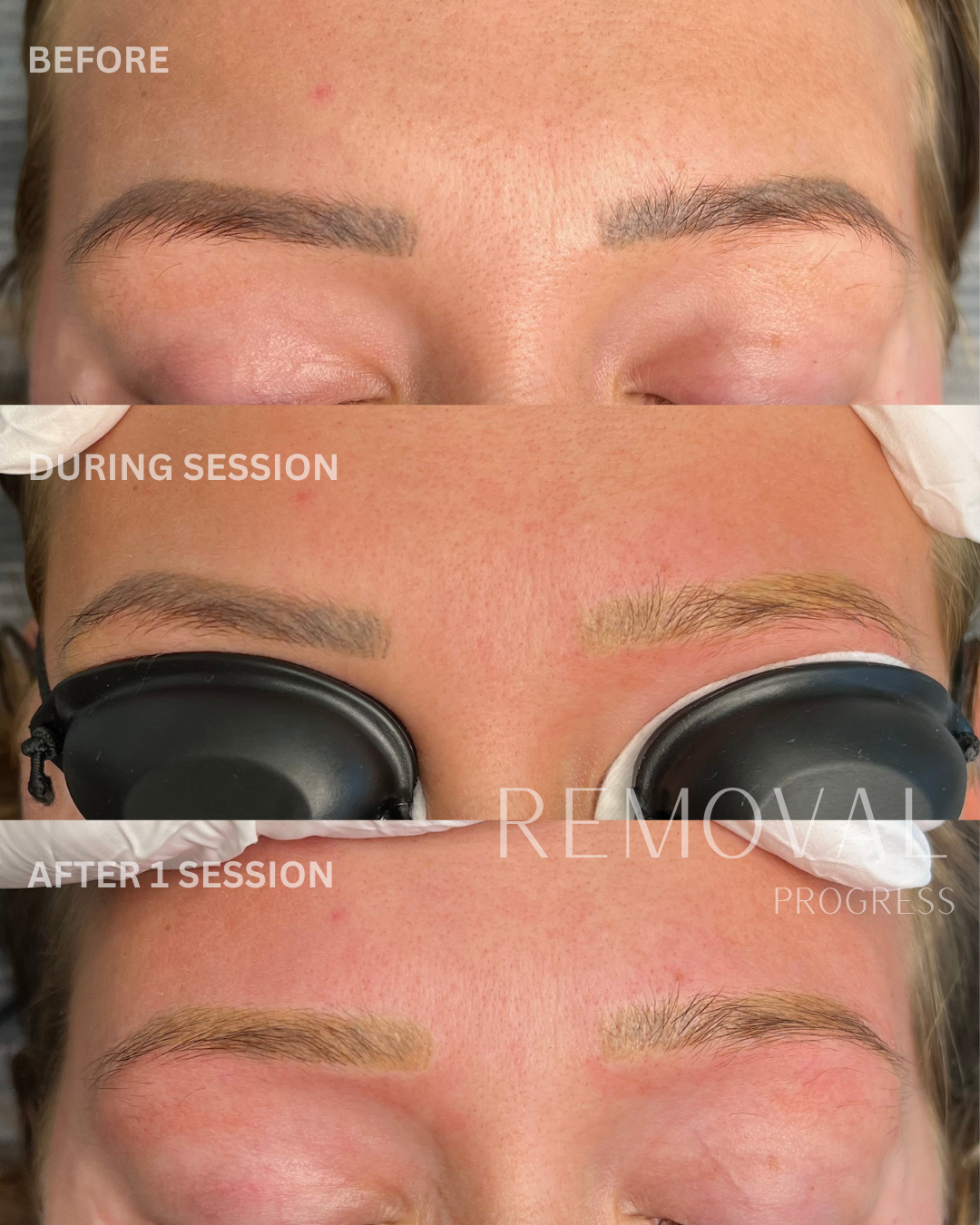
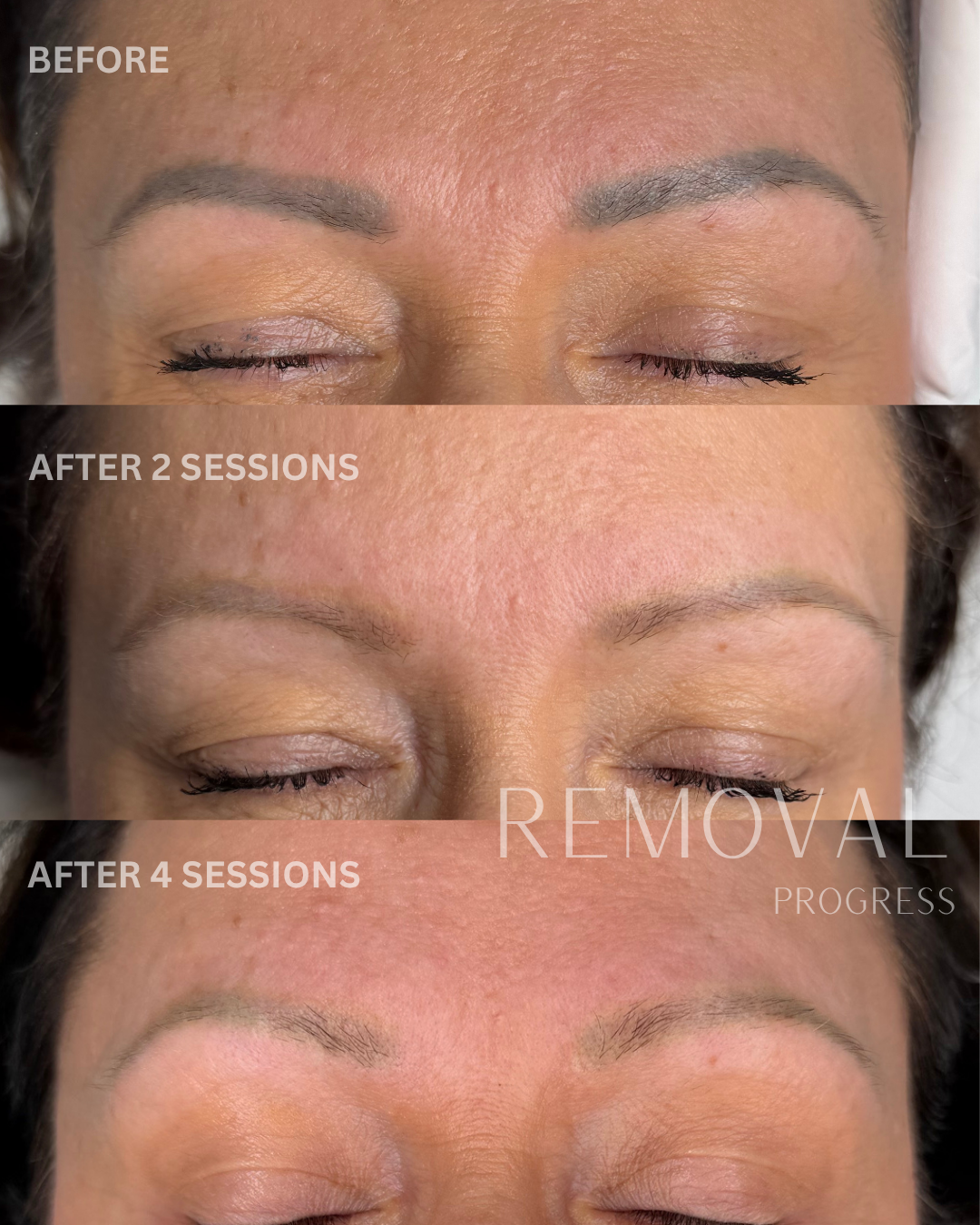
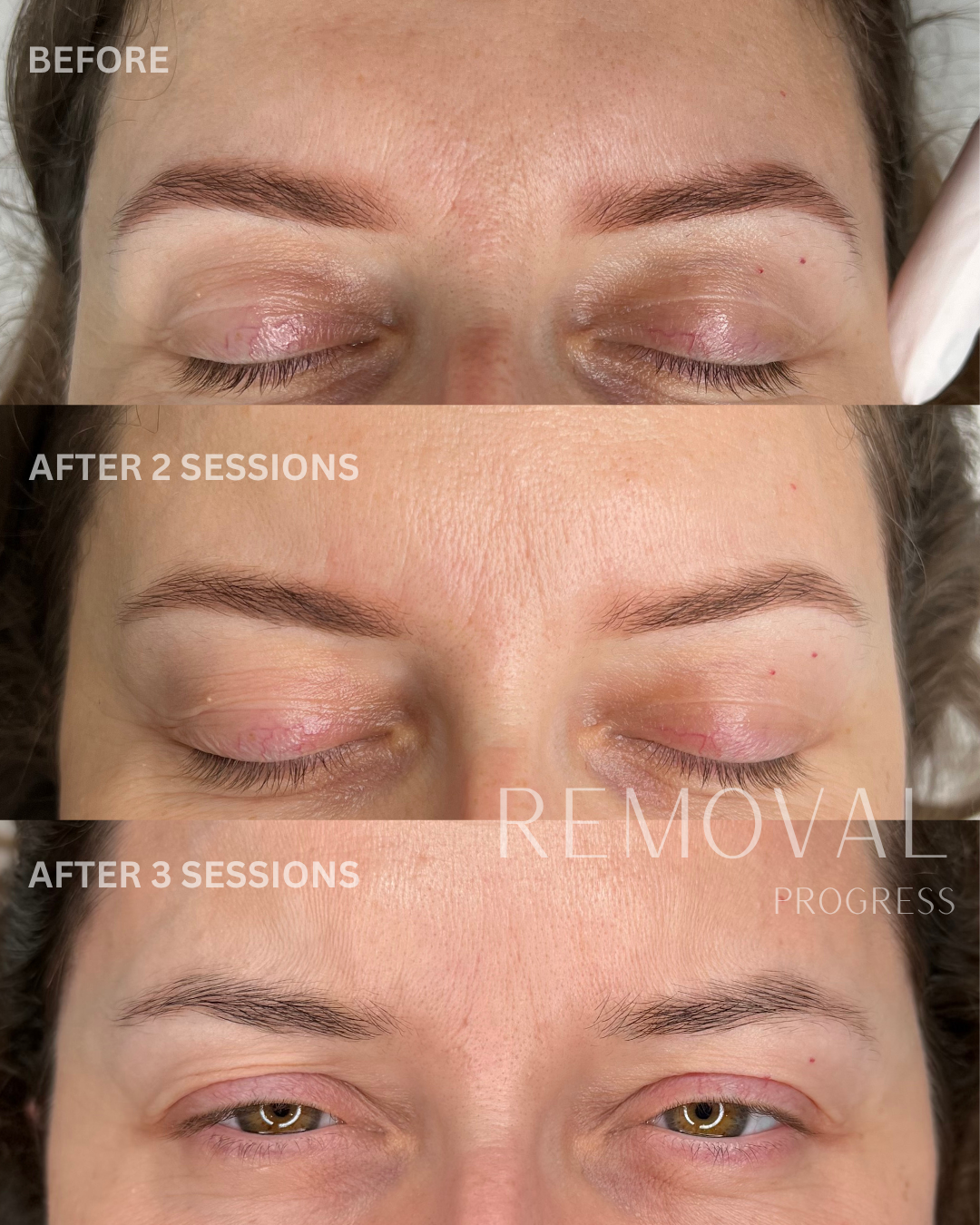
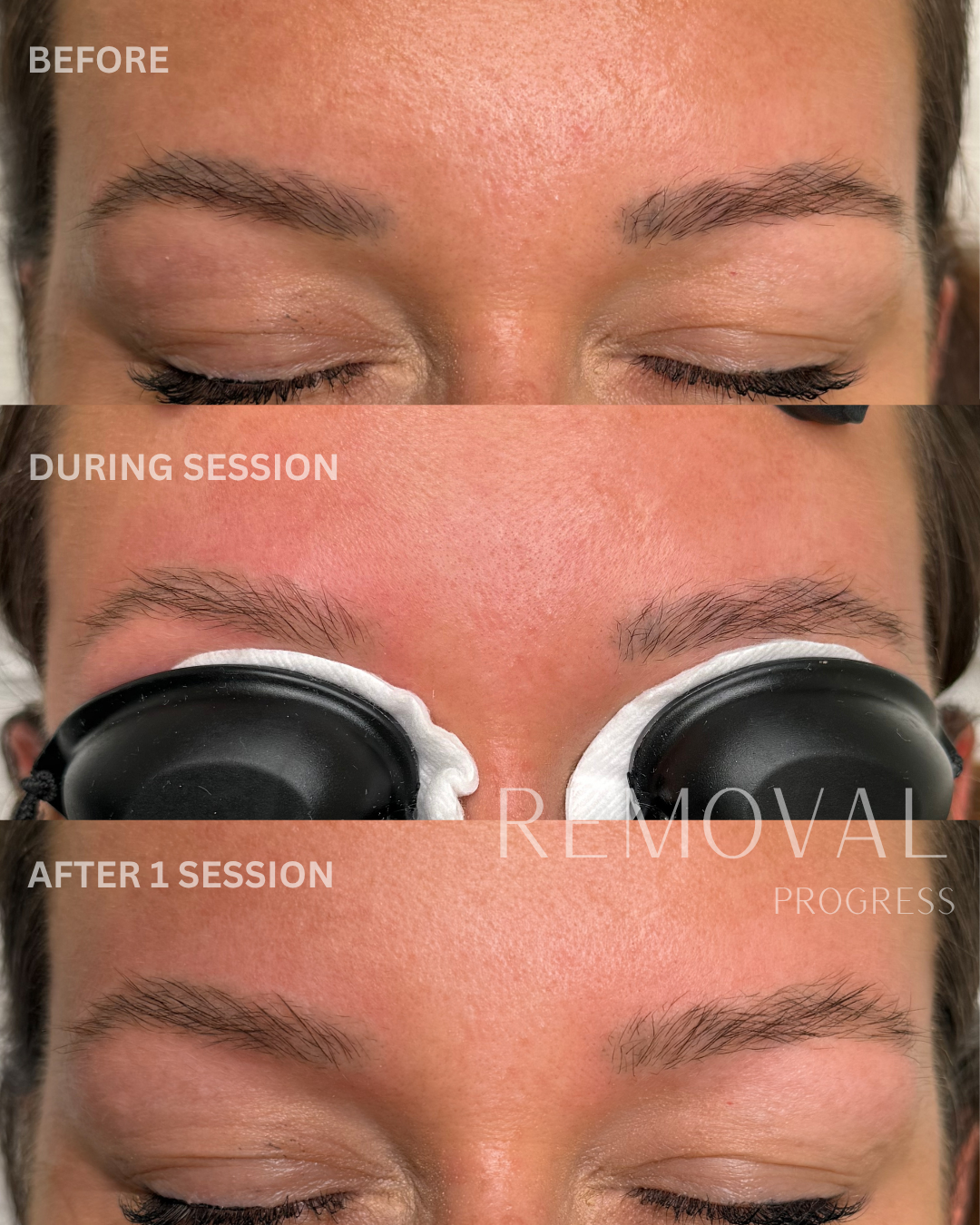
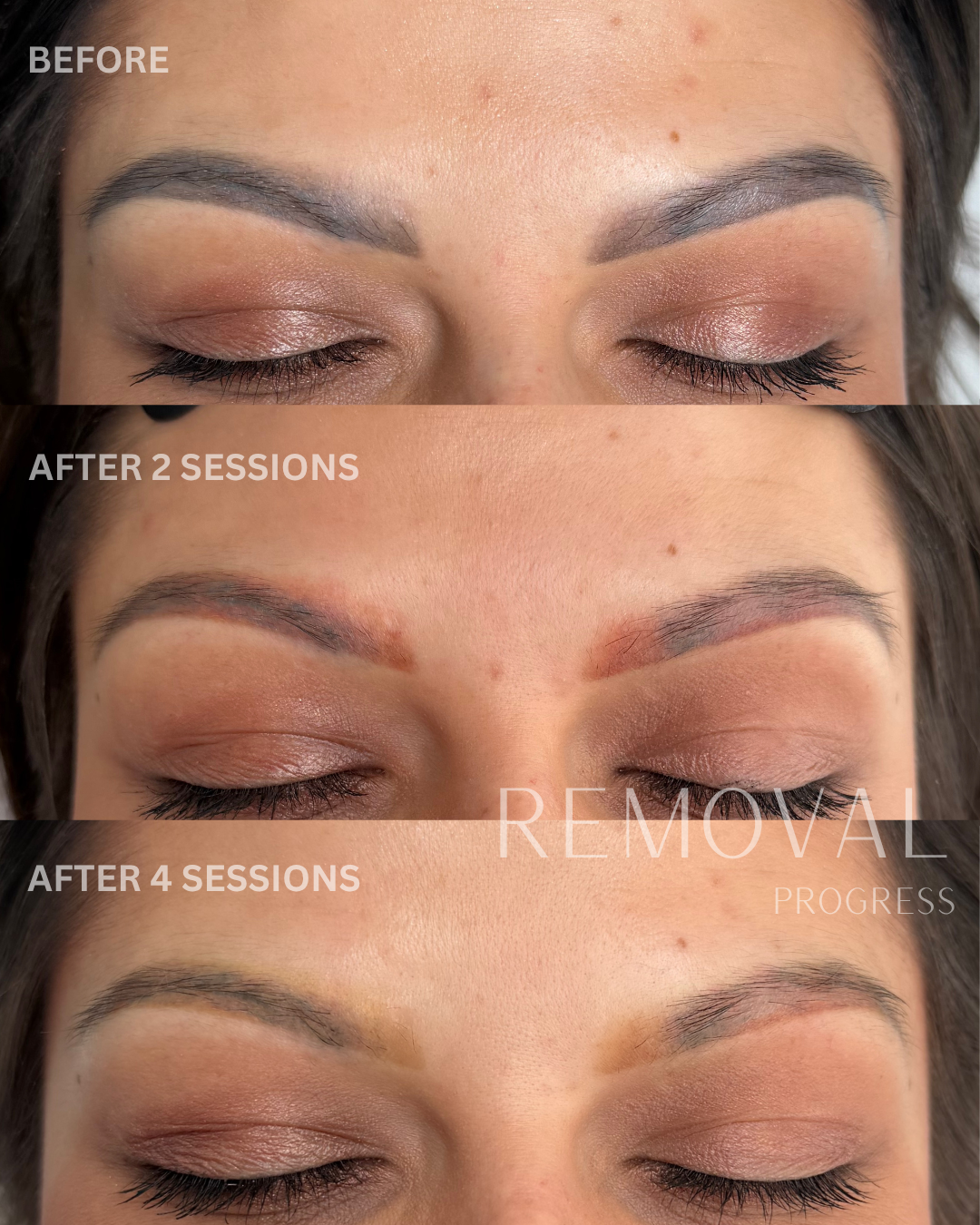
Eyebrows PMU Removal
Unwanted, faded, oversaturated or discoloured brows can often be safely lightened or removed using advanced Q-Switched Nd:YAG laser technology by Zemits.
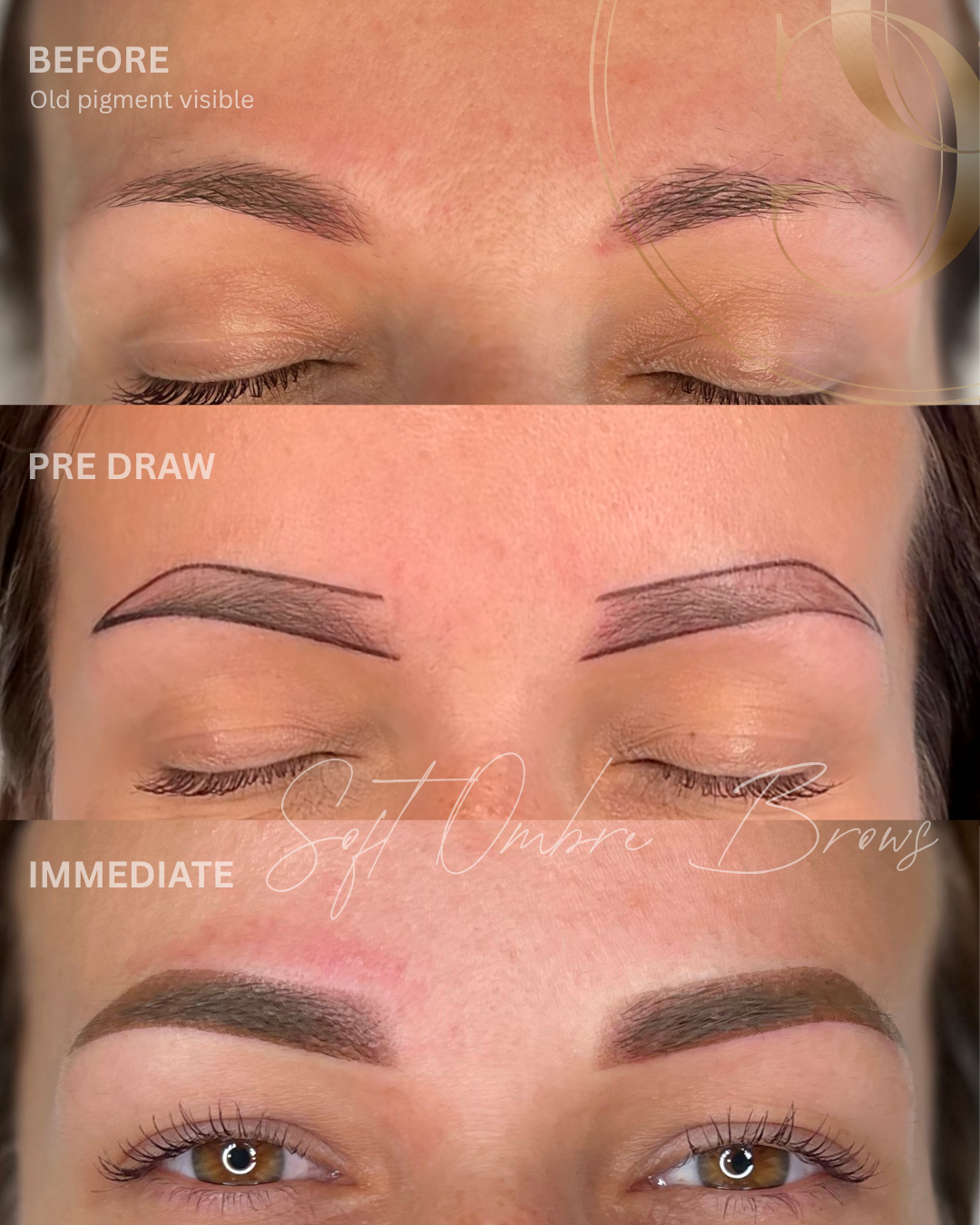
Treatment plans are individually tailored depending on pigment colour, skin type, previous procedures and your long-term goals. In many cases, removal is performed as part of a correction and re-do plan before creating fresh, more natural brows.
Most clients require a series of sessions spaced several weeks apart to allow the skin to heal and the body to naturally process the fragmented pigment.
In selected cases, combined removal approaches, including saline removal, may also be recommended where appropriate.
Lip PMU Removal
Laser lip pmu removal can help reduce unwanted pigment, uneven healed results or previous permanent makeup that no longer suits your natural colouring.
Treatments are also suitable for correcting migrated pigment, overlined lip borders or healed contour work placed outside the natural lip shape. Depending on the individual case and desired outcome, removal can be performed partially for correction purposes or as a full removal treatment.
Because lips are a delicate and highly vascular area, every treatment is approached carefully and conservatively, with skin healing and safety being the priority.
In selected cases, alternative or combined removal methods may also be recommended depending on the healed pigment and desired outcome.
Tattoo Removal
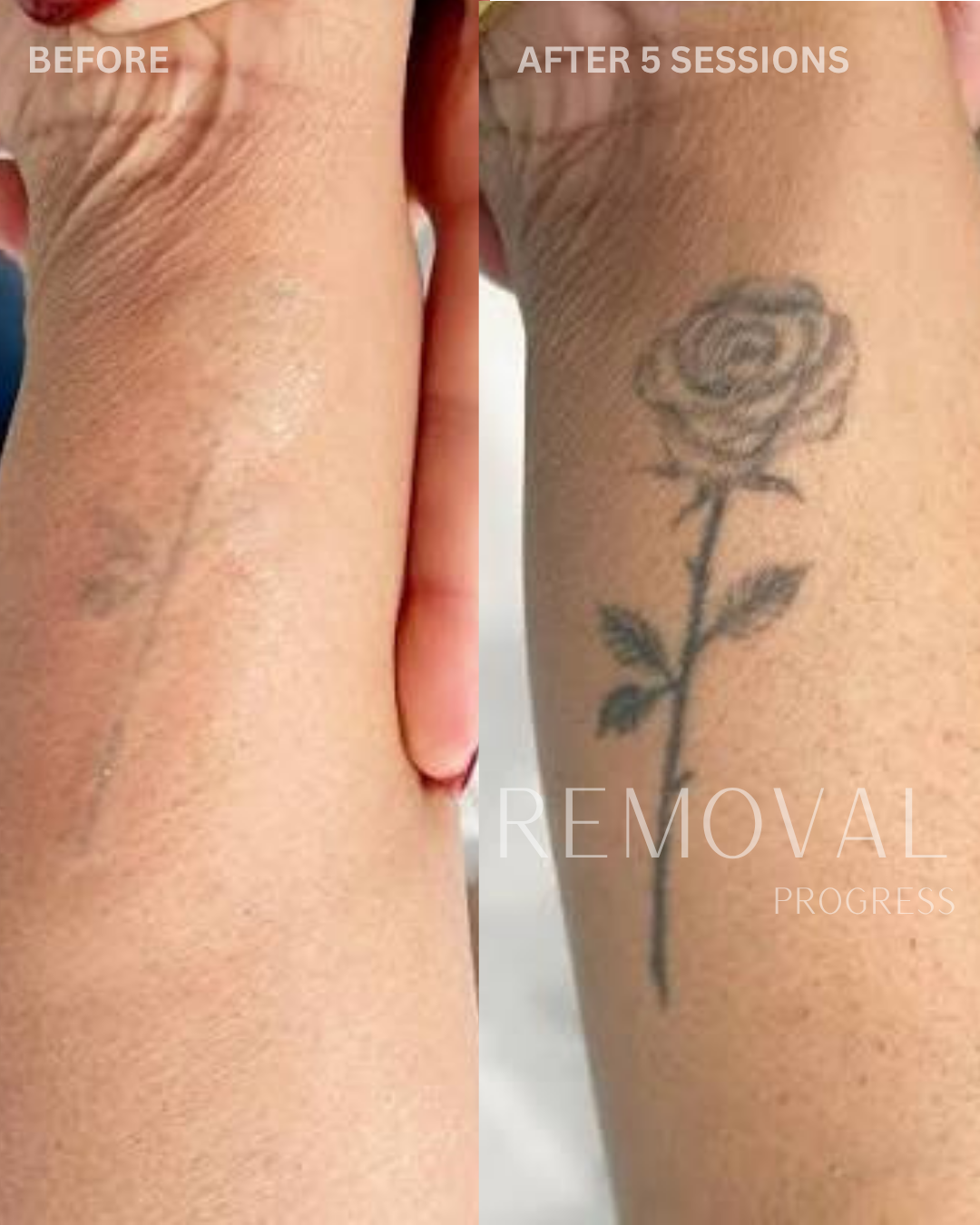
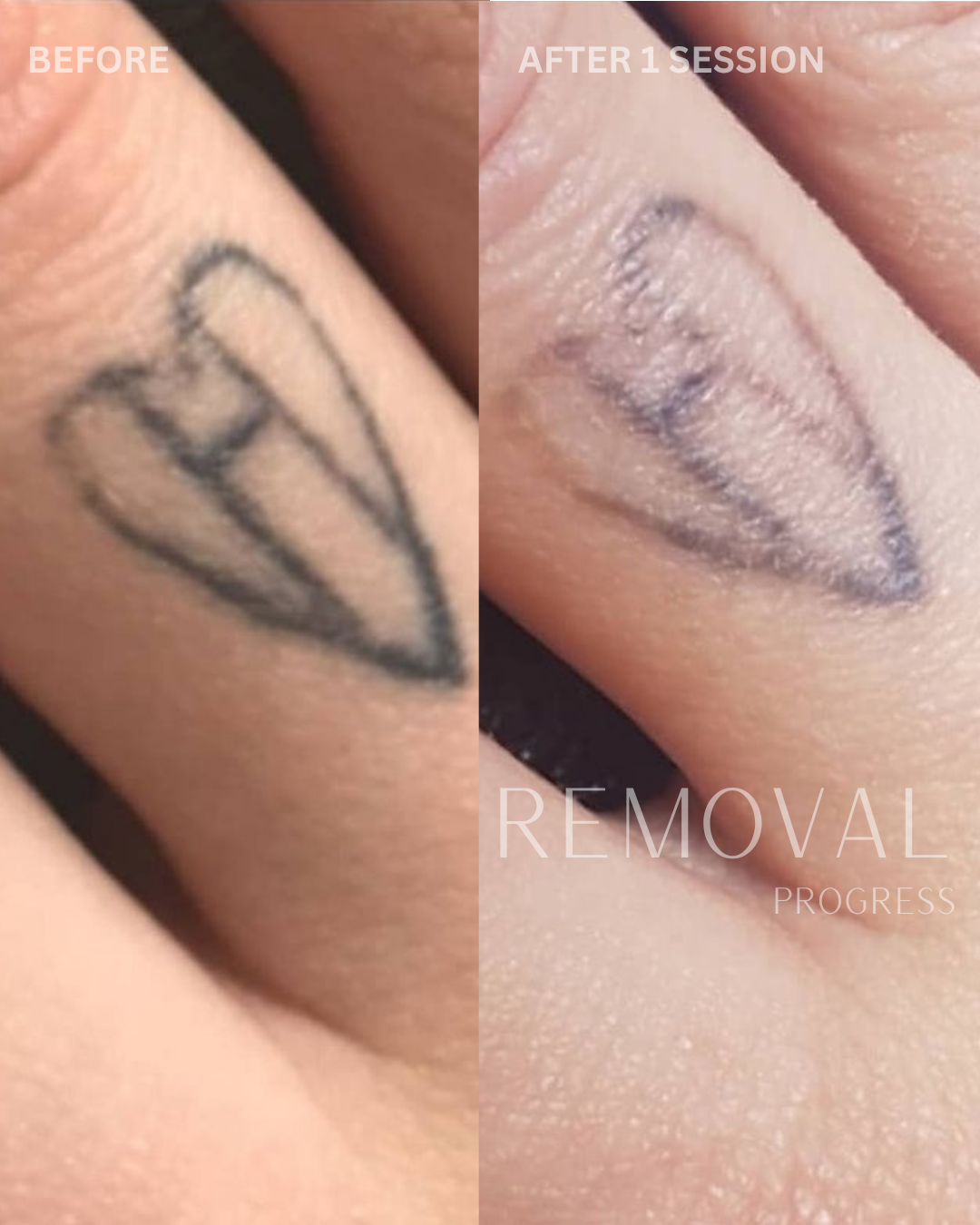
Tattoo removal treatments can be tailored either towards significant fading for a future cover-up procedure or towards achieving the maximum removal possible, depending on your individual goals.
Some clients choose partial fading to prepare the skin for new tattoo work, while others wish to gradually remove unwanted tattoos as much as possible over a series of sessions.
Results vary depending on factors such as pigment colour, tattoo depth, age of the tattoo and individual healing response. Unfortunately, complete removal cannot always be guaranteed, and some residual pigment or shadowing may remain after treatment.
In selected cases, combined removal approaches may also be considered for small tattoos or specific sections of larger tattoos where appropriate.
PRICING
| Consultation & Patch test | Price |
|---|---|
| Mandatory | £40 (45mins) |
| Eyebrows PMU Removal | Price |
|---|---|
| Single Session | £60 / 30mins |
| Package of 3 Sessions | £150 (£50 per session) |
| Package of 5 Sessions | £220 (£44 per session) |
| Lip PMU Removal | Price |
|---|---|
| Single Session | £60 / 30mins |
| Package of 3 Sessions | £150 (£50 per session) |
| Package of 5 Sessions | £220 (£44 per session) |
| Tattoo Removal–Small Area | Price |
|---|---|
| Single Session | £60 / 30mins |
| Package of 3 Sessions | £150 (£50 per session) |
| Package of 5 Sessions | £220 (£44 per session) |
| Tattoo Removal–Medium Area | Price |
|---|---|
| Single Session | £90 / 45mins |
| Package of 3 Sessions | £240 (£80 per session) |
| Package of 5 Sessions | £370 (£74 per session) |
| Tattoo Removal–Large Area | Price |
|---|---|
| Single Session | £150 / 60mins |
| Package of 3 Sessions | £390 (£130 per session) |
| Package of 5 Sessions | £650 (£140 per session) |
| Consultation & Patch test (trial session) | Price |
|---|---|
| Mandatory | £40 (45mins) |
| Eyebrows PMU Removal | Price |
|---|---|
| Single Session | £60 / 30mins |
| Package of 3 Sessions | £150 (£50 per session) |
| Package of 5 Sessions | £220 (£44 per session) |
| Lip PMU Removal | Price |
|---|---|
| Single Session | £60 / 30mins |
| Package of 3 Sessions | £150 (£50 per session) |
| Package of 5 Sessions | £220 (£44 per session) |
| Tattoo Removal – Small Area | Price |
|---|---|
| Single Session | £60 / 30mins |
| Package of 3 Sessions | £150 (£50 per session) |
| Package of 5 Sessions | £220 (£44 per session) |
| Tattoo Removal – Medium Area | Price |
|---|---|
| Single Session | £90 / 45mins |
| Package of 3 Sessions | £240 (£80 per session) |
| Package of 5 Sessions | £370 (£74 per session) |
| Tattoo Removal – Large Area | Price |
|---|---|
| Single Session | £150 / 60mins |
| Package of 3 Sessions | £390 (£130 per session) |
| Package of 5 Sessions | £650 (£140 per session) |
CHECK IF YOU CAN HAVE A TREATMENT
YOU ARE UNABLE TO HAVE LASER PMU / TATTOO REMOVAL IF YOU ARE / HAVE ANY OF THE FOLLOWING
- Under the age of 18 as it is illegal
- Pregnant or breastfeeding as there is a risk of infection which can be harmful to both mother and baby
- If you have viral infections or diseases
- Blood Clotting Disorders/Haemophilia
- If you have had major heart issues or organ transplants
- Have skin irritations/Eczema or Psoriasis on the area to be treated
- If you are taking Accutane medication
- Medically diagnosed Keloid Scarring
- Hyperpigmentation
YOU MAY STILL BE SUITABLE FOR LASER PMU / TATTOO REMOVAL IF YOU ARE / HAVE ANY OF THE FOLLOWING, BUT YOU WILL NEED MEDICAL CONSENT / DOCTOR APPROVAL
- After you stop taking Accutane medication
Laser removal may only be performed once the medication has been discontinued for the recommended period advised by your doctor, as the skin may be more sensitive, fragile, and prone to complications during healing.
- Topical steroids
Topical steroids may thin and weaken the skin. Depending on the condition and sensitivity of the skin, the treatment area may not be suitable for laser removal. Doctor approval may be required before proceeding with treatment.
- Herpes Simplex
People who get fever blisters and/or cold sores may experience an outbreak after the procedure. It’s imperative that you discuss the procedure with your physician beforehand and receive proper instructions on how to prevent an outbreak post procedure. Most physicians will offer a prescription for Zovirax or Valtrex to take prior to and after the procedure.
- Diabetes
- Epilepsy
Medication may cause side effects which may result in fainting during the treatment.
- Medications and Antibiotics
Some of them can affect healing and recovery from treatment.
- Anticoagulants (blood thinners)
Long term use of heparin, aspirin, ibuprofen and some herbs reduce clotting time, resulting in increased bleeding and bruising, which may increase the healing time after laser removal treatment.
- Autoimmune disease (cancer, HIV etc.)
You should get clearance from your doctor before considering laser removal treatment.
- Glaucoma
Please inform us before treatment, especially for treatments performed very close to the eye area.
- Vitiligo
There is a risk of spreading the vitiligo. I cannot treat white areas, but I am able to work around them as long as you are happy to accept the risk.
- General health
You should always be fit and well, and not under the influence of drugs or alcohol. You should avoid heavy drinking the day prior to your treatment, as alcohol can thin the blood and increase bruising and sensitivity after laser removal treatment.
YOU MAY NEED TO WAIT BEFORE HAVING LASER PMU / TATTOO REMOVAL IF YOU’VE RECENTLY HAD ANY OF THE FOLLOWING
- Eye Surgery
If you have had Lasik, cornea repair or other eye surgery, you may need to wait before undergoing laser removal treatment close to the eye area. Please consult your doctor beforehand.
- Scars
Scars from surgery or injury must be fully healed prior to treatment.
- If You Have:
Any pimples, active cold sores, bruises, sunburn or other skin irritations in the area to be treated, they will have to be fully healed before you are ready for your laser removal procedure. If there are any moles in the area, they may need to be avoided during treatment.
- Active Skincare & Aesthetic Treatments:
Please avoid Retin-A, Retinols, Accutane and active aesthetic treatments (chemical peels, microneedling, dermal rollers, Botox, fillers, strong exfoliation etc.) for at least 3–4 weeks prior to your appointment and until healing is completed (approximately 4–6 weeks), as the skin may become more sensitive and prone to irritation.
BEFORE & AFTERCARE
Important preparation and healing information for Laser Tattoo & Permanent Makeup Removal treatments, including Saline Removal. Proper before and aftercare helps support healing, minimise irritation and achieve the best possible removal results.
Laser Tattoo Removal — Before Care
- Avoid sunbeds, excessive sun exposure and fake tan on the treatment area for at least 2–4 weeks before treatment.
- Avoid chemical peels, microneedling, retinols, strong exfoliation and active skincare on the area for 2–4 weeks before treatment.
- Avoid Botox and fillers around the treatment area for approximately 3–4 weeks before treatment.
- Keep the skin healthy, hydrated and free from irritation before treatment.
- Avoid alcohol, caffeine, aspirin, ibuprofen and blood-thinning medication for 24–48 hours before treatment where medically appropriate.
- Do not attend the appointment with sunburnt, damaged or irritated skin.
Laser Tattoo Removal — After Care
- Redness, swelling, sensitivity and mild frosting are normal immediately after treatment.
- Keep the area clean, dry and protected during healing.
- Apply the recommended aftercare product if advised by your specialist.
- Do not scratch, rub, pick or remove any scabs or dry skin.
First 7–14 days avoid:
- Gym, sweating, sauna, steam rooms and swimming pools.
- Hot baths, excessive heat and friction on the treated area.
- Make-up and active skincare directly on the treated area until healed.
First 4–6 weeks avoid:
- Sunbeds, excessive sun exposure and fake tan on the treated area.
- Chemical peels, laser treatments, microneedling and strong exfoliation on the treated area.
- Use SPF 50 once the skin has healed.
Saline Removal — Before Care
- Avoid sunbeds, excessive sun exposure and fake tan for 2–4 weeks before treatment.
- Avoid Botox, fillers, laser treatments, chemical peels, microneedling, retinols and active skincare around the area for 3–4 weeks before treatment.
- Avoid alcohol, caffeine, aspirin, ibuprofen and blood-thinning medication for 24–48 hours before treatment where medically appropriate.
- Remove lash extensions before eyeliner saline removal treatment.
- If prone to cold sores, start antiviral medication before lip saline removal if advised by your GP/pharmacist.
- Do not attend the appointment with irritated, damaged or sunburnt skin.
Saline Removal — After Care
- Mild redness, swelling, scabbing and sensitivity is normal.
- Keep the area clean, dry and open to air during healing.
- Do not rub, scratch or pick scabs. Scabs must fall off naturally.
First 7–14 days avoid:
- Getting the area wet for prolonged periods.
- Gym, sweating, sauna, steam rooms and swimming pools.
- Make-up, creams and skincare products on the treated area.
- Excessive sun exposure and fake tan.
First 30 days avoid:
- Sunbeds, laser treatments, chemical peels, microneedling and strong exfoliation on the treated area.
- Lash extensions and lash serums after eyeliner removal until fully healed.
- Vitamin E oil may be used once all scabbing has naturally fallen off.
- Minimum 8 weeks healing required between saline removal sessions.
FAQ
A consultation and patch test (trial session) are mandatory for all initial laser removal bookings, regardless of whether you have previously had a patch test done elsewhere. The patch test helps assess how the pigment responds to the laser and allows us to discuss suitability, expectations and treatment planning.
A separate patch test is required for different treatment areas such as brows, lips or body tattoos.
A patch test and consultation must be completed at least 48 hours prior to treatment.
Yes. In many cases, laser removal can lighten the pigment enough for a new permanent makeup procedure or tattoo cover-up to be performed safely and more effectively.
The number of sessions required depends on the pigment colour, saturation, skin type and the desired end result. In some cases, only partial lightening is needed rather than full removal.
The number of sessions required depends on the pigment colour, depth, saturation, skin type and your desired end result.
If the goal is lightening the pigment for a new permanent makeup procedure or tattoo cover-up, fewer sessions are usually required compared to full removal. For permanent makeup correction or re-do procedures, this is commonly around 3–5 sessions — which is why we offer treatment packages.
Permanent makeup usually requires fewer sessions than body tattoos, as PMU pigments are generally implanted more superficially. Body tattoos are designed to be permanent and may therefore require significantly more sessions and a longer treatment journey, especially when aiming for maximum removal.
The consultation and patch test are performed to help assess how the pigment responds to the laser and to give us guidance for a rough treatment estimate and expected treatment plan.
Pain levels vary depending on the treatment area and individual sensitivity.
Eyebrow PMU removal treatments and small tattoo removals do not require numbing cream due to the treatment area being relatively small and the skin thicker and less sensitive. Lip blush removal treatments are always numbed, as the lips are a much thinner and more sensitive area.
For larger tattoos, we apply numbing cream before the procedure due to the larger treatment area, helping to keep the treatment as comfortable as possible throughout the session.
Most clients are positively surprised that the discomfort is much more tolerable than expected and often less painful than the original PMU or tattoo procedure itself, mainly because laser treatments are performed significantly faster. For example, eyebrow PMU removal or a small tattoo treatment usually takes approximately 5 minutes.
Initial healing usually takes approximately 24–48 hours, during which the treated area may appear slightly red, sensitive or warm.
Although most visible reactions settle quite quickly, the skin continues its internal healing and pigment clearing process over the following weeks. Full skin recovery between sessions usually takes approximately 4–6 weeks, which is why treatments must be spaced accordingly.
Healing response varies depending on the treatment area, pigment depth, skin type and individual immune response.
Laser removal sessions are usually spaced approximately 4–6 weeks apart to allow the skin to heal properly and to give the body enough time to naturally process and clear fragmented pigment particles.
In some cases, longer intervals may be recommended depending on the treatment area, skin sensitivity, healing response and the intensity of the previous session.
For the first 24–48 hours after treatment, please avoid anything that may heat, irritate or excessively stimulate the treated area.
Please arrive to your appointment with clean skin and avoid applying makeup, fake tan, heavy skincare products or active ingredients on the treatment area prior to your appointment.
Avoid excessive sun exposure, tanning and active aesthetic treatments for at least 3–4 weeks before your session. Retin-A, Retinols, Accutane and strong exfoliating products should also be avoided as advised during your consultation.
Please avoid alcohol and certain painkillers such as aspirin or ibuprofen before your appointment unless medically necessary, as they may thin the blood and increase sensitivity, bruising or irritation during treatment.
Please inform us of any changes to your medical history, medications or recent treatments before your appointment.
A consultation and patch test (trial session) are mandatory prior to all initial laser removal treatments and must be completed at least 48 hours before your appointment.
Yes. Certain skincare products and aesthetic treatments may increase skin sensitivity and affect the safety, healing process and overall response to laser removal treatment.
Please inform us about any recent or ongoing treatments such as:
- Retin-A / Retinols,
- Accutane,
- chemical peels,
- microneedling,
- dermal rollers,
- Botox,
- fillers,
- laser treatments,
- strong exfoliating products,
- or active skincare ingredients.
These treatments may require a waiting period before laser removal can be safely performed. In most cases, active skincare products and aesthetic treatments should be avoided for at least 3–4 weeks prior to treatment and until healing is completed (approximately 4–6 weeks).
Possibly. Certain medical conditions, medications or skin conditions may affect your suitability for laser removal treatment or require GP / doctor approval prior to treatment.
This is why a detailed consultation form and patch test are mandatory before all initial treatments. Please ensure you disclose all relevant medical information so we can assess your suitability safely and appropriately.
Possibly. Some pigments may temporarily change colour during the removal process depending on their composition and ingredients. Certain pigments may become darker, warmer or brighter before gradually fading over additional sessions.
This is more common with some permanent makeup pigments and cosmetic inks. The consultation and patch test help us assess how the pigment may respond to the laser before proceeding with a full treatment plan.
Due to limited waiting space and the clinical nature of the treatment, we kindly ask clients to attend appointments alone where possible.
For insurance, safety and treatment protocol reasons, friends and children are not permitted during laser treatments. Protective laser safety glasses must be worn during the procedure, with safety eyewear provided for the client and therapist only.
Children also cannot be left unattended in the waiting area.
Laser removal is not always the only option. In selected permanent makeup and small tattoo cases, we may also recommend saline removal or a combination approach to achieve the best possible results.
The most suitable removal method depends on factors such as pigment type, skin, previous treatments and your desired outcome, which will be assessed during your consultation and patch test.
For simplicity, our treatment package pricing remains the same regardless of whether laser removal, saline removal or a combination approach is recommended as part of your treatment plan.
In some cases, saline removal may be recommended instead of laser removal, or alongside laser treatments, depending on the pigment type, colour, skin and desired outcome.
Saline removal can sometimes be more suitable for certain permanent makeup pigments, pigment migration, small corrections or pigment trapped within scar tissue, where laser treatments may not always be the preferred option.
In some cases, the treatment approach may also change throughout the removal process, and we may combine different removal methods to achieve the best possible results safely and effectively.
The most suitable removal method will always be discussed during your consultation and patch test.
Small area treatments are generally up to 5×5 cm (approx. 2×2 inches), medium areas up to 10×10 cm (approx. 4×4 inches), and large areas up to 20×20 cm (approx. 8×8 inches).
If you are unsure which category your tattoo or permanent makeup falls under, please contact the clinic with a clear photo before booking or arrange a consultation and patch test.